Box Office Analysis
Pulp Fiction (1994) Budget: How an $8M Film Became a $213.9M Phenomenon
How much did Pulp Fiction cost to make? We break down its $8M budget, record indie box office run, and near-clean 26x return.
Pulp Fiction cost around $8 million to make and went on to gross $213.9 million worldwide — a roughly 26x return that still ranks among the most efficient budget-to-gross ratios in film history. Unlike some of the figures we've dug into in this series, this one is genuinely well-documented and consistent across sources.
Where Does the $8 Million Figure Come From?
Wikipedia lists the budget at $8-8.5 million, and that range holds up across IMDb, The Numbers, and multiple film-history retrospectives. What's more interesting than the top-line number is how it got there: the initial budget was reportedly lower until Bruce Willis joined the cast. At the time, Willis was coming off a string of domestic box office flops, making him something of a financial risk for a low-budget indie — but he remained a reliable draw overseas, and Miramax judged that trade-off worth the added cost. Of the full $8 million, roughly $5 million went directly to cast salaries, an unusually large share for a film this size.
What Did $8 Million Actually Buy in 1994?
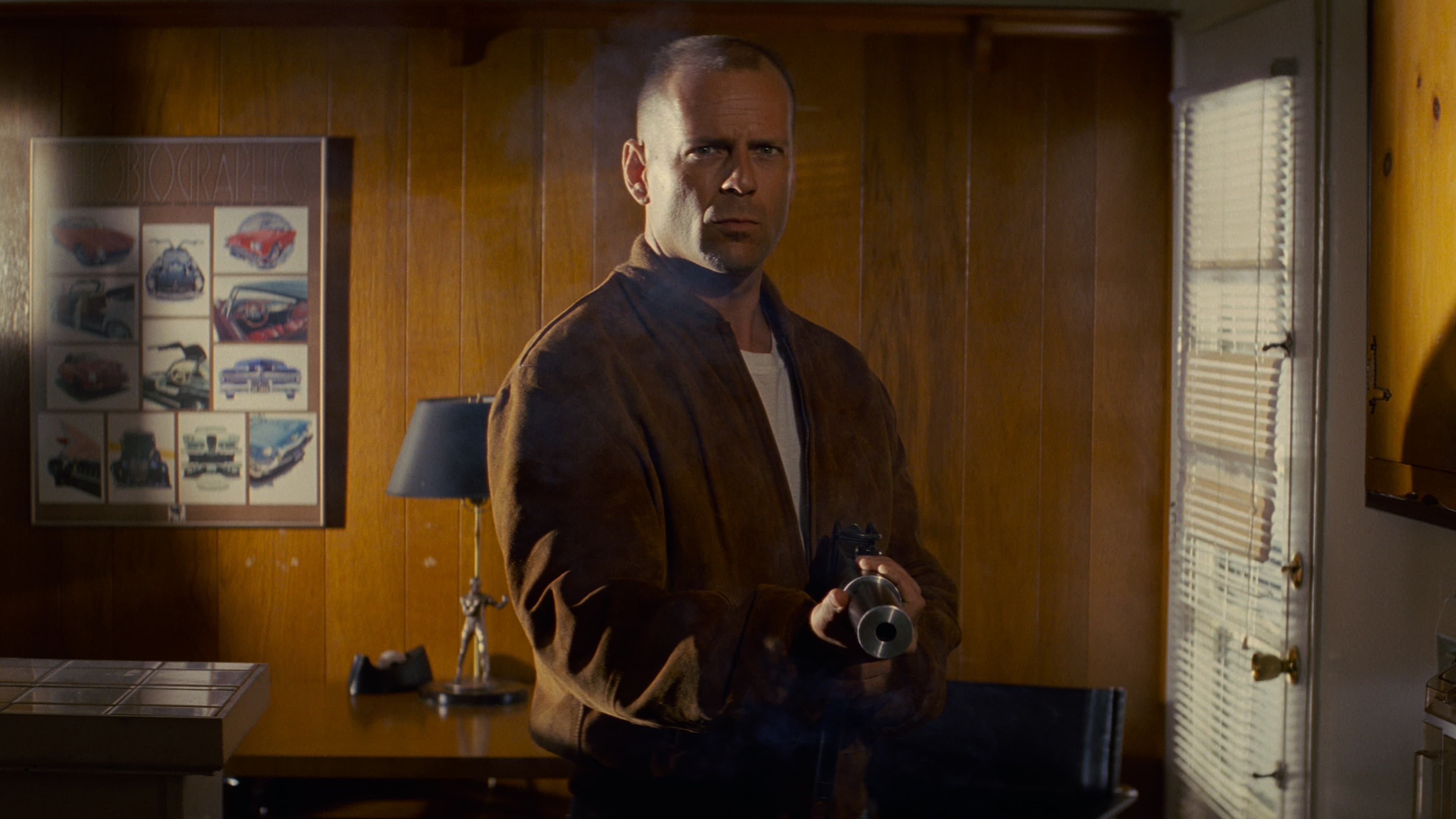
Context matters here: $8 million was a modest budget even by 1994 independent film standards, let alone against major studio productions of the same year. That made Pulp Fiction's eventual box office run all the more remarkable — the film wasn't just profitable, it became a genuine test case for what a well-executed, star-adjacent independent production could achieve at scale.
How Did the Film Actually Perform?
The film grossed $107.9 million domestically and $213.9 million worldwide — at the time, the highest domestic gross ever recorded for an independent film, a record that helped cement Miramax's commercial reputation in the years following its 1993 acquisition by Disney. Notably, the film was already profitable before that wide theatrical run fully played out: Miramax sold the film's international distribution rights for $11 million on the strength of Willis' overseas draw alone, recovering more than the entire production budget before a large share of ticket sales had even come in.
It's also worth noting that not every historical figure tied to this film's release is uncontested. Wikipedia's own list of 1994's weekend box office number-ones flags that Miramax's claimed gross for at least one of the film's weekends was disputed by other box office trackers at the time — a small but telling reminder that even a film this well-documented isn't immune to the reporting inconsistencies that show up across this era of box office history.
Budget vs. Box Office: Why This One's a Genuinely Clean Case
Unlike some of the murkier budget-vs-gross stories we've covered, Pulp Fiction's numbers hold up under scrutiny. Our own FilmDB data currently ranks it as the #2 highest return-on-investment film in Miramax's entire history, at roughly 26.74x its budget — trailing only Sling Blade. That's a rare case where the historical record, modern reconstruction, and a film's cultural legacy all point in the same direction.